Are you concerned about the safety of wearing hair systems? A custom hair patch is a completely safe and non-invasive hair restoration choice. It sits externally on top of your scalp skin without causing any internal side effects. It uses dermal-safe, FDA-approved adhesives that protect your skin and allow hair follicles to breathe.
The procedure is free of surgical risks, painful stitches, or chemical medications. Millions of men worldwide wear them safely every day to cover bald spots. In this scalp health guide, we analyze the safety facts and debunk common myths.
An Overview of Scalp Safety
Many people hesitate to try non-surgical hair restoration. They worry about the safety of skin contact. Some fear that the scalp will react poorly to the system.
However, modern grooming systems prioritize skin health. Materials are thoroughly tested for safety. Stylists use skin-friendly preparation techniques.
A hair patch represents a non-invasive path. It avoids the health risks of clinical surgeries. It does not alter your hormones or body systems. This makes it an incredibly safe option.
The Safety of Modern Dermal Adhesives
Historically, hair glues were harsh. They often contained strong chemicals. These could cause skin redness or peeling.
Modern professional studios use medical-grade adhesives. These formulas are acrylic-based or silicone-based. They are designed specifically for prolonged contact with human skin.
These bonding agents are fully hypoallergenic. They are tested extensively for toxins. They do not penetrate past the dead outer skin layer. They remain safe even for sensitive skin types.
Understanding Scalp Barriers and Skin Prep
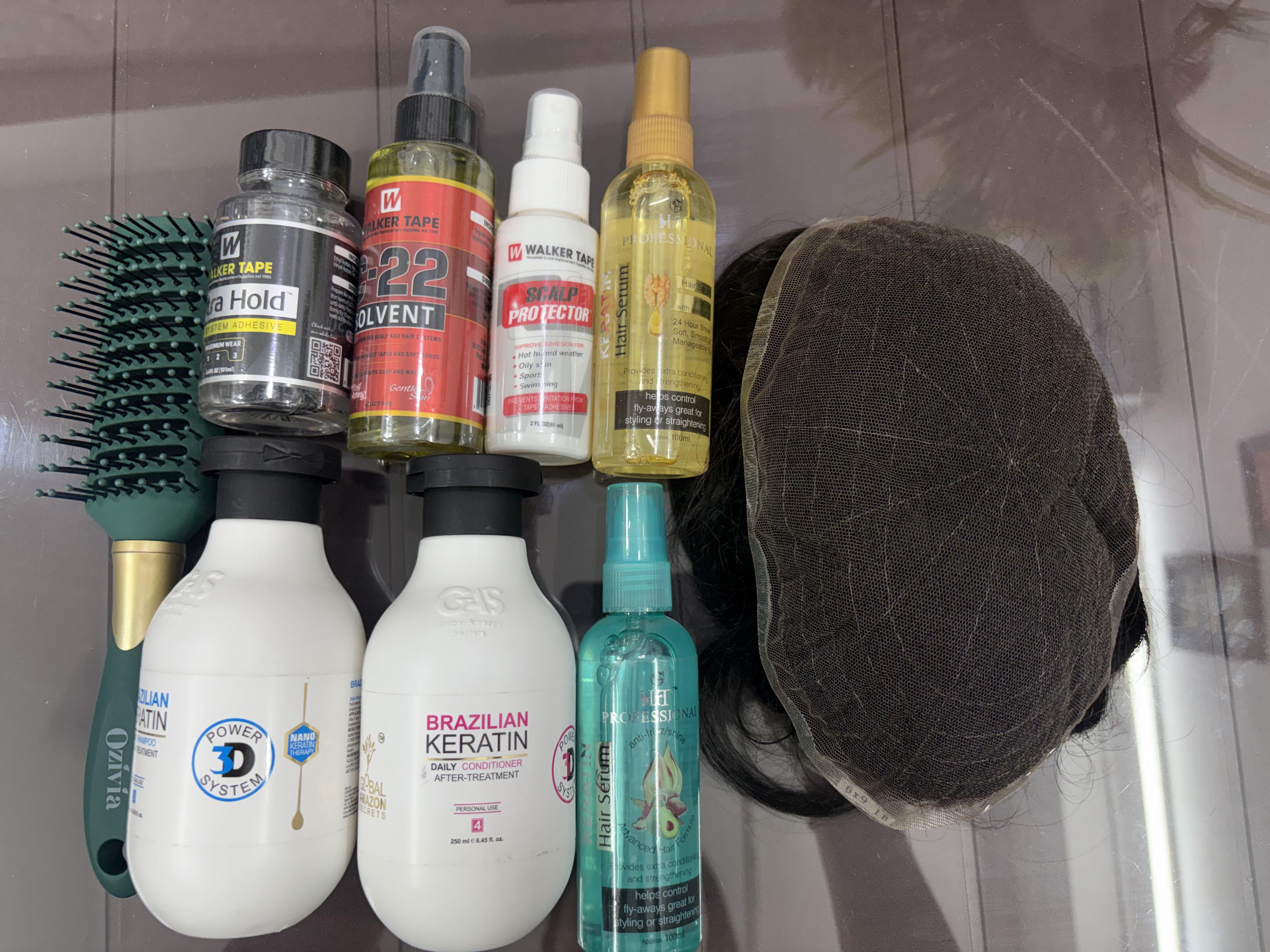
Stylists protect your skin during the fitting process. They apply a specialized scalp protector spray first. This liquid dries to form a microscopically thin barrier.
This barrier blocks sweat and oils from reaching the adhesive. It also blocks the adhesive from direct contact with the skin cells. This reduces the risk of allergic reactions to zero.
If you prefer a highly structured treatment plan, choosing safe non-surgical hair replacement ensures professional scalp prep. Experienced stylists handle every step carefully. This protects your scalp from irritation.
Debunking Common Safety Myths
A major myth is that hair patches cause permanent baldness. Some believe they choke the hair roots. They fear the adhesive will damage hair follicles.
This is physically impossible. Hair patches are only placed over bald scalp areas. The follicle roots are deep under the skin surface. The adhesive sits only on the outer skin layer.
Another myth is that sweat cannot escape. Modern swiss lace bases are highly porous. They allow sweat and heat to evaporate. For clean and sanitary results, schedule regular hair patch servicing every 3 to 4 weeks. This prevents bacterial buildup.
Comparing Patch Safety with Hair Loss Medications
Many men use oral medications to treat hair loss. These drugs work by blocking hormones inside the body. However, they can cause serious physiological side effects.
Some drugs cause severe mood changes and depression. Others lead to permanent hormonal issues. These side effects can persist even after stopping the medicine.
A hair patch is a purely physical grooming solution. It involves no chemicals inside the bloodstream. If you choose this route, painless hair bonding methods offer a risk-free alternative. You get a full head of hair without any health complications.
Guidelines for Maintaining Scalp Hygiene
Daily maintenance keeps the scalp healthy. You must wash the hair patch weekly. Use specialized, gentle cleansers. This washes away sebum and dust from the lace mesh.
Avoid scratching the scalp under the patch. Scratching with fingernails can damage the skin. It can also tear the delicate base mesh of the system.
If you experience persistent itching, do not ignore it. It is usually a sign that your adhesive is breaking down. It means a professional cleaning visit is due. This maintains optimal scalp hygiene.
Understanding Minor Irritations
Minor itching can occur occasionally. This is common if you sweat heavily. Sweat can mix with old adhesive residue. To learn how to manage this, read about scalp hygiene and hair patch side effects in detail. Proper cleaning fixes it quickly.
You must also follow instructions during sleep. Protect the hair system from excessive friction. For overnight care tips, explore our guide on sleeping with a hair patch safely. This protects both the hair and the bond.
Always tell your stylist if you have skin conditions. If you have eczema or psoriasis, let them know. They can perform a small skin patch test first. This ensures complete safety before fitting.
Conclusion: A Safe, Risk-Free Grooming Choice
A hair patch is a highly secure and safe hair restoration choice. It causes no systemic side effects. It protects the skin using hypoallergenic materials. With regular styling and cleaning visits, your scalp remains healthy and clean. It is a smart, safe way to look your best.