Wearing a hair patch can drastically improve your confidence and appearance, but like any wearable system, it comes with a learning curve. Over time, you might experience minor issues such as lifting edges, an itchy scalp, or dry hair. The good news is that these problems are incredibly common, easy to fix, and completely avoidable with the right care routine.
In this guide, we will break down the most common hair patch problems faced by wearers and provide simple, actionable solutions so you can keep your hair looking flawless every day.
Problem 1: The Front Hairline is Lifting
One of the most frustrating issues is when the front edge of your hair patch starts to peel or lift, breaking the illusion of a natural hairline. This usually happens due to excessive sweating, oily skin, or using the wrong type of adhesive.
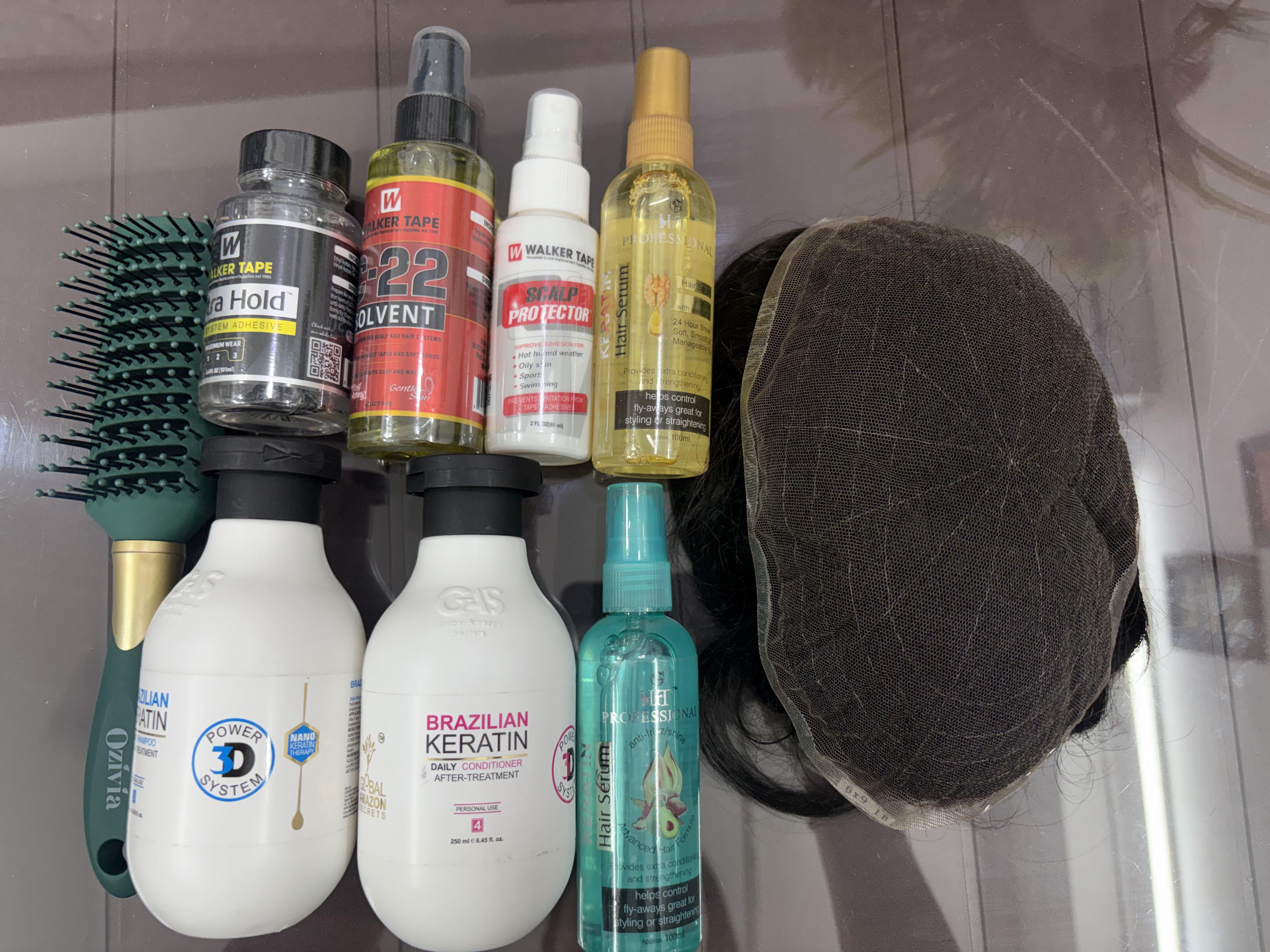
The Solution: First, ensure your scalp is completely clean and oil-free before applying any adhesive. Use an alcohol-based skin prep or a scalp astringent to remove all oils. If you have oily skin, apply a scalp protector before gluing. For a quick fix, keep a small bottle of skin-safe liquid adhesive (like Ghost Bond) at home. Use a toothpick to apply a tiny drop under the lifted edge, press it down firmly for 30 seconds, and it will re-seal perfectly.
Problem 2: An Itchy Scalp Under the Patch
Itching is a common complaint, especially for new wearers. It can be caused by sweat trapped under the base, dead skin cell buildup, or an allergic reaction to a cheap adhesive.
The Solution: If the itching starts right after application, you may be allergic to the glue; switch to an FDA-approved hypoallergenic adhesive or medical tape. If the itching occurs after a week or two, it is likely due to sweat and dead skin. You can gently pat the top of the patch to soothe the itch, but never scratch it with your fingernails, as this damages the base. Ensure you visit the studio for a professional removal, deep scalp exfoliation, and cleaning every 3 to 4 weeks.
Problem 3: The Hair Becomes Dry and Tangled
Human hair used in a hair patch does not receive the natural sebum (oils) produced by your scalp. Without these natural oils, the hair can become dry, brittle, and prone to tangling if not moisturized correctly.
The Solution: Hydration is key. Use a high-quality, sulfate-free leave-in conditioner every single day. Avoid washing the patch too frequently (once a week is enough) because shampoo strips moisture. Use a wide-tooth comb or a specialized loop brush to detangle the hair gently, starting from the ends and working your way up to the roots to prevent pulling.
Problem 4: The Hair Color is Fading
Over time, the hair on your patch may start to lose its rich color, turning slightly red or brassy. This is a natural process called oxidation, primarily caused by exposure to UV rays from the sun and harsh chemicals.
The Solution: Protect your hair from the sun by wearing a hat during prolonged outdoor activities, or use a hair spray with UV protection. Do not use shampoos containing harsh sulfates or parabens. If the color has already faded, do not try to dye it yourself at home with box dye. Visit your hair replacement studio to have the patch professionally re-colored to match your natural hair exactly.
Problem 5: Bad Odor from the Patch
A foul smell can develop if sweat, water, and bacteria get trapped between your scalp and the patch base. This typically happens if you do not dry the base properly after showering or swimming.
The Solution: Moisture is the enemy of adhesive and hygiene. After washing your hair or sweating heavily, you must dry the base completely. Use a hairdryer on a cool or low heat setting (never hot heat) and direct the air straight into the roots until the base is dry. Using a highly breathable French Lace base can also significantly reduce sweat and odor buildup compared to a thick poly base.