
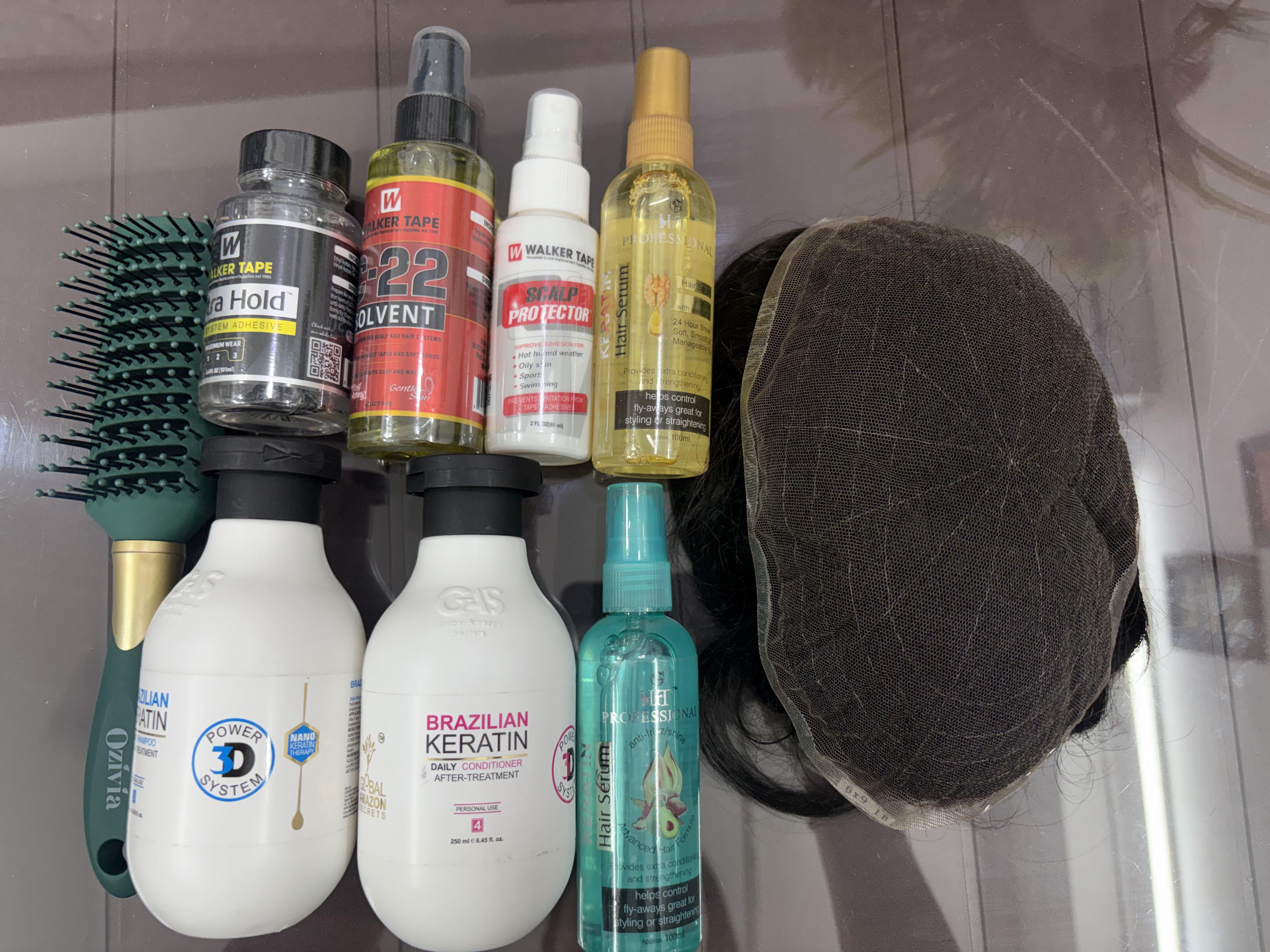
If you are considering getting a hair patch, you might worry about how it will affect your lifestyle. You might ask: can you sleep, swim, and exercise with a hair patch? The simple answer is yes, absolutely. Modern hair patches are secured using advanced, medical-grade, waterproof adhesives and skin-safe tapes. These bonding materials are specifically designed to withstand water, sweat, and physical movement, allowing you to run, swim, shower, sleep, and work out with complete peace of mind.
In this guide, we will break down how to manage your daily lifestyle with a hair system. We will share expert tips and routines for sleeping, swimming, and exercising to ensure your hair patch remains fully secure, comfortable, and natural-looking during any activity.
Sleeping with a Hair Patch: Tips for Comfort and Protection
Sleeping with a hair system is easy, but it requires a few smart habits to prevent tangles and hair shedding. When you sleep, your head rubs against the pillow, creating friction. This friction can dry out the hair and loosen the knots. Here is how to protect your system while sleeping:
1. Switch to a Silk or Satin Pillowcase
Standard cotton pillowcases have a rough texture that creates friction and absorbs moisture from the hair. Silk or satin pillowcases have a smooth surface that allows the hair to glide easily as you toss and turn. This simple change reduces friction, prevents tangles, and keeps the hair soft and healthy.
2. Brush and Detangle Before Bed
Never sleep with tangled hair. Before going to bed, gently brush your hair patch using a specialized loop brush or a wide-toothed comb. Start from the tips and work your way up to the base. This clears any styling build-up and prevents tangles from tightening overnight.
3. Secure Longer Hair
If you wear a system with longer hair, tie it in a loose ponytail or a braid before sleeping. This holds the hair in place and prevents it from rubbing against your shoulders, reducing tangles and matting.
Swimming and Water Activities with a Hair System
You do not have to give up pool parties or beach vacations. Modern bonding agents are completely waterproof. However, chlorine in swimming pools and salt in ocean water can dry out human hair. Follow these tips to swim safely:
1. Wait 24 to 48 Hours After Application
After a professional bonding session, the adhesive needs time to cure and form a complete bond with your scalp. Avoid getting your head wet, showering, or swimming for at least 24 to 48 hours after fitting. Once this curing period is over, the bond is fully waterproof.
2. Apply a Protective Layer
Before entering the pool or ocean, wet your hair with clean tap water and apply a light leave-in conditioner or hair serum. The clean water fills the hair shaft, preventing it from absorbing chlorine or salt water, while the serum acts as a protective shield.
3. Wash and Condition Immediately After
Once you finish swimming, rinse your hair system with fresh water immediately. Wash it with a sulfate-free shampoo to remove any chlorine or salt residue, and apply a deep moisturizing conditioner to restore softness. A thorough hair patch cleaning in Dwarka at a professional studio will clear any deep residues.
Exercising and Sweat Management
Whether you lift weights, run marathons, or practice yoga, you can exercise with confidence. Sweat will not dissolve medical-grade adhesives. However, if you sweat heavily, you must manage scalp hygiene to prevent odors and itchiness:
1. Choose a Breathable Lace Base
If you have an active routine, opt for a Swiss or French lace base. The lace features thousands of microscopic holes that allow heat and sweat to escape. This keeps your scalp cool and comfortable during workouts, unlike full skin bases that trap heat.
2. Use anti-perspirants and Scalp Protectors
Before applying the adhesives, a professional stylist will treat your scalp with a skin protector or scalp anti-perspirant. This blocks sweat glands temporarily in the bonding zone, keeping the skin dry and maximizing bond strength. This is why getting a professional hair bonding in Dwarka is highly recommended.
3. Clean the Perimeter
After a heavy workout, gently wipe the edges of your hair patch with a damp cloth to clear sweat. Let your scalp dry naturally. Do not pull or check the system while it is warm and sweaty, as the adhesive softens slightly under body heat and firms up again once you cool down.
Understanding Body Heat and Adhesive Grip
When you exercise intensely, your body temperature rises, and your scalp sweats. It is completely normal for the adhesive bond to feel slightly soft or "tacky" during a workout. Do not panic or try to lift the edges. The adhesive is designed with thermal memory. Once your body temperature returns to normal and your scalp dries, the adhesive cures again, restoring its rock-solid grip. If you tug or pull at the patch while sweating, you can break the bond prematurely. Simply pat your hairline gently with a towel during breaks and let the system cool down naturally.
Showering Habits for Hair System Users
Showering with a hair patch is simple, but you must change some of your old habits. Always avoid hot showers. Hot water strips the natural moisture from the hair strands and weakens the adhesive bonds, leading to lifting. Use cool or lukewarm water instead. When applying shampoo, do not pile the hair on top of your head and scrub. This causes massive tangles. Instead, apply shampoo to your hands, rub them together, and smooth the lather through the hair from the base to the tips. Rinse thoroughly, ensuring no product builds up under the edges. When drying, never rub the hair with a towel. Instead, wrap a microfiber towel around your head and pat gently to absorb excess water.
Water Sports and Active Recreation
In addition to swimming, active recreation like jet-skiing, riding motorcycles, and hiking are fully compatible with a hair patch. If you ride a motorcycle, always wear a silk skullcap under your helmet. The helmet creates friction as you move your head, which can pull at the hair fibers and scratch the base. A silk skullcap allows the helmet to slide on and off smoothly, protecting the system. If you engage in high-speed water sports, consider wearing a swimming cap or headband to prevent strong water currents from lifting the front hairline, ensuring your system stays intact during extreme fun.
Maintaining Your Active System
If you lead a highly active lifestyle, you may need to schedule maintenance sessions slightly more frequently—every 3 weeks instead of 4 weeks. Heavy sweating and frequent washing can wear down the adhesive edges faster. Regular visits for hair patch maintenance in Dwarka ensure the system remains tightly bonded, clean, and undetectable.
By choosing a custom non-surgical hair replacement in Dwarka, you get the freedom to live without restrictions, enjoying sports, swimming, and sleeping with absolute confidence.
For more details on how long systems last and care routines, see: How Long Does a Hair Patch Last? Maintenance & Care Guide.
To learn about the general benefits of hair systems, check out: Top 10 Benefits of Wearing a Hair Patch for Men.