
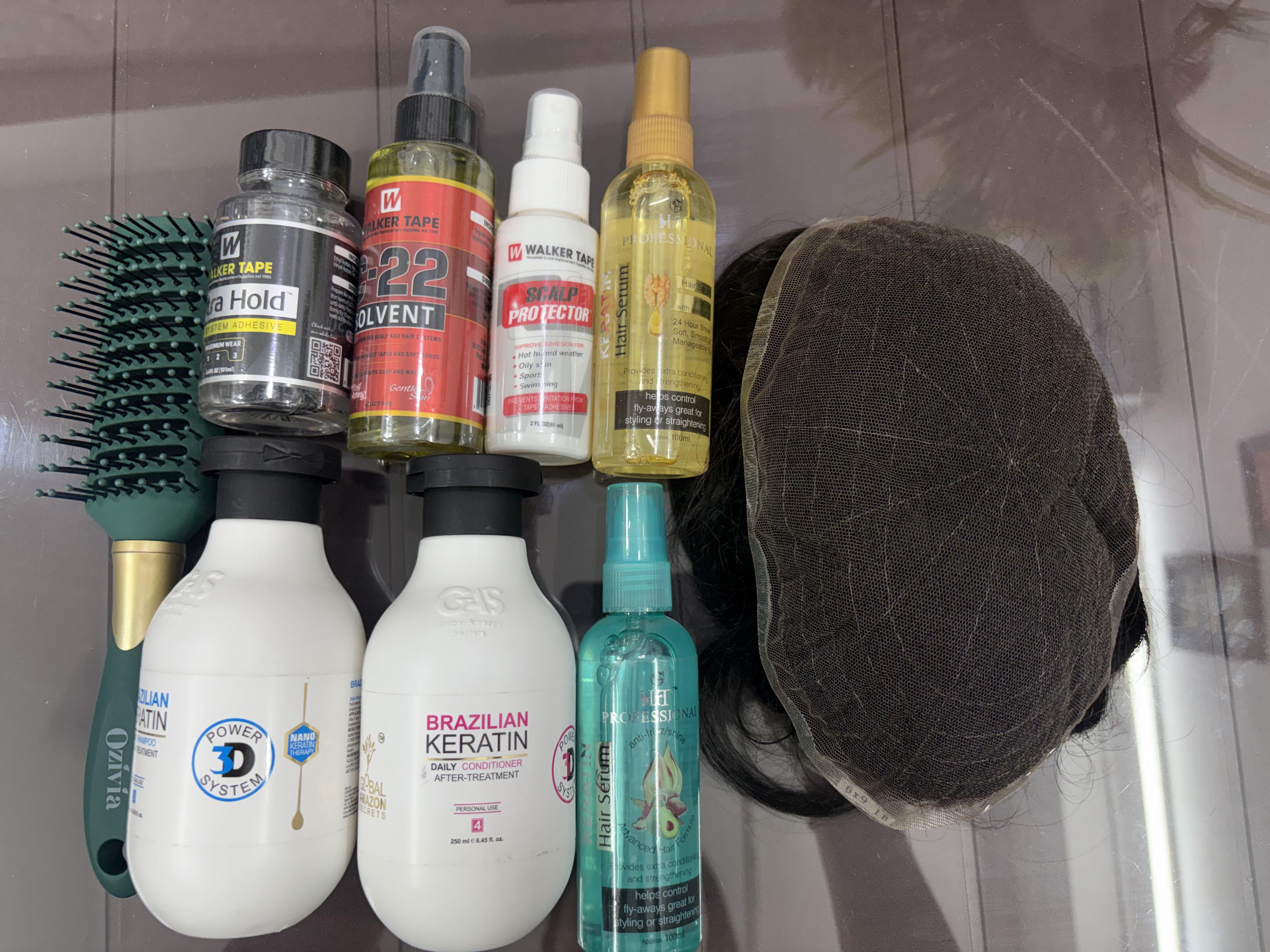
If you are planning to get a hair patch, you naturally want to know: how long does a hair patch last? The simple answer is that a high-quality human hair patch typically lasts between 6 to 10 months. Some thicker systems can last up to a year, while very delicate, ultra-thin lace systems may need replacement after 4 to 6 months. The exact lifespan depends on the base material, the quality of the hair, your skin type, and how well you care for it daily.
A hair patch is a non-surgical solution, meaning the hair is not growing and does not receive natural oils from your scalp. Over time, the hair strands will dry out, thin, and shed. However, with the right maintenance routine, you can maximize the durability of your system. In this guide, we will explain the factors that affect a hair patch's lifespan and share expert care tips to keep your system looking fresh for months.
Key Factors That Affect Hair Patch Durability
Not all hair patches are created equal. Several variables determine how quickly a system wears out:
1. The Base Material
The base is the mesh or membrane that holds the hair. There is a direct trade-off between natural appearance and durability:
- Lace Bases: Swiss and French lace are breathable and look completely natural because they disappear on the scalp. However, because lace is a delicate thread mesh, it can tear or stretch over time. Lace systems typically last 4 to 6 months.
- Polyurethane (Skin) Bases: These are thin silicone membranes. They are durable, easy to clean, and grip adhesives very well. Thinner skin bases last 4 to 6 months, while thicker skin systems can last 6 to 9 months.
- Monofilament Bases: This is a thicker, stronger polyester mesh. It is highly durable and can hold more hair density. Monofilament systems are the longest-lasting, often remaining usable for 9 to 12 months, though they are less breathable and less invisible at the hairline.
2. Hair Quality
Wigs and patches made from cheap synthetic hair or heavily processed human hair degrade quickly, becoming frizzy and tangled after a few washes. Premium systems made from 100% Remy human hair last much longer because the hair cuticles are intact and aligned in the same direction, reducing tangling and shedding.
3. Scalp Skin Type and Climate
Your body chemistry plays a role. If you have very oily skin or sweat heavily, the natural oils and perspiration will break down the adhesives faster. This requires more frequent removals and cleanings, which puts wear and tear on the base. Similarly, living in a hot, humid environment like Dwarka means you must take extra steps to manage sweat and heat.
Daily Care Routines to Extend System Lifespan
Daily habits make a massive difference in preventing hair shedding and base damage. Follow these simple daily rules:
1. Detangle with the Right Brush
Never use a standard comb with fine teeth, which can catch on the base knots and pull the hair out. Use a wide-toothed comb or a specialized loop brush. Loop brushes have looped nylon bristles that slide over the base without catching the knots. Always brush gently, starting from the tips and working up to the roots.
2. Use Leave-In Conditioner
Because the system hair does not receive sebum from your scalp, it becomes dry. Spray a light, silicone-free leave-in conditioner every morning to lock in moisture and keep the hair soft. This prevents friction tangles that lead to shedding.
3. Sleep on Silk or Satin
Standard cotton pillowcases create friction as you move your head at night, drying out the hair and causing tangles. Switch to a silk or satin pillowcase. Silk allows the hair to glide smoothly, preventing tangles and preserving the hair texture.
Weekly Washing Rules for Hair Systems
Washing your hair patch correctly prevents product build-up and keeps the hair looking vibrant. Follow these washing instructions:
- Use Sulfate-Free Products: Sulfates are harsh detergents that strip moisture. Always choose sulfate-free shampoos and deep conditioners designed for hair systems.
- Use Cool Water: Hot water opens the hair cuticles, leading to dryness, and weakens the adhesive bonds on the base. Always wash with cool or lukewarm water.
- Wash Gently: Never scrub or rub the hair. Smooth the shampoo lather through the hair in a downward direction, following the flow of the hair.
- Pat Dry: After rinsing, wrap your head in a soft microfiber towel and pat dry. Avoid rubbing the hair with the towel, which causes tangles and shedding.
- Cool Blow-Drying: If you use a hair dryer, set it to the cool air mode. Excess heat dries out the hair and can damage the delicate base membrane.
The Importance of Professional Maintenance
While daily home care is vital, you cannot perform deep base cleaning and secure re-bonding by yourself. You must schedule professional hair patch maintenance in Dwarka every 3 to 4 weeks. During these visits, a senior stylist will:
- Gently dissolve the old adhesive using skin-safe organic solvents to remove the system without damaging the base.
- Perform a thorough, deep-cleansing hair patch cleaning in Dwarka to wash away sweat, oil, and glue residue from both your scalp and the system base.
- Exfoliate and treat your scalp to maintain skin health.
- Re-apply fresh, medical-grade adhesives for a secure hair bonding in Dwarka.
- Trim and blend your natural side hair with the patch to keep your look seamless and fresh.
Skipping these sessions can cause sweat build-up, scalp odor, skin irritation, and permanent damage to the base material, shortening the system's lifespan significantly.
Signs Your Hair Patch Needs Replacement
Even with perfect care, a hair patch will eventually reach the end of its useful life. It is important to know the signs so you can order a replacement before the system looks obvious or worn out. Look for these key indicators:
- Shedding and Bald Spots: Hair patches do not grow new hair. Every strand that falls out leaves a permanent thin spot. If you start seeing the base mesh through the hair, or notice localized bald spots, the patch needs replacement.
- Irreparable Base Damage: If the lace base has frayed, stretched, or torn, or if the polyurethane skin has cracked, the system will not sit flat against your scalp. This can cause the edges to lift and look unnatural.
- Texture Degradation: If the hair feels dry, rough, and tangles constantly despite deep conditioning, the hair cuticles have worn away. The hair will look frizzy and behave unnaturally.
Seasonal Care: Summer vs. Winter
Different seasons present unique challenges for hair system longevity. In the hot summers of Dwarka, high temperatures and direct sunlight can cause sweat build-up and fade the hair color. UV rays oxidize the hair pigments, turning black or brown hair reddish-orange. To prevent this, wear a hat when outdoors for long periods or apply a hair serum with UV protection. You may also need to increase the frequency of your maintenance visits to clean sweat and prevent adhesive breakdown.
In winter, dry air can rob the hair of moisture, making it static and brittle. Increase the use of leave-in conditioners and apply a deep moisturizing mask once a week. Keep the system hydrated to prevent hair breakage and maintain a soft, silky feel.
To learn more about how to live normally with a hair system, read our guide: Can You Sleep, Swim & Exercise with a Hair Patch?.
For more detailed maintenance instructions, check out: Hair Patch Maintenance: 15 Expert Tips to Increase Lifespan.