
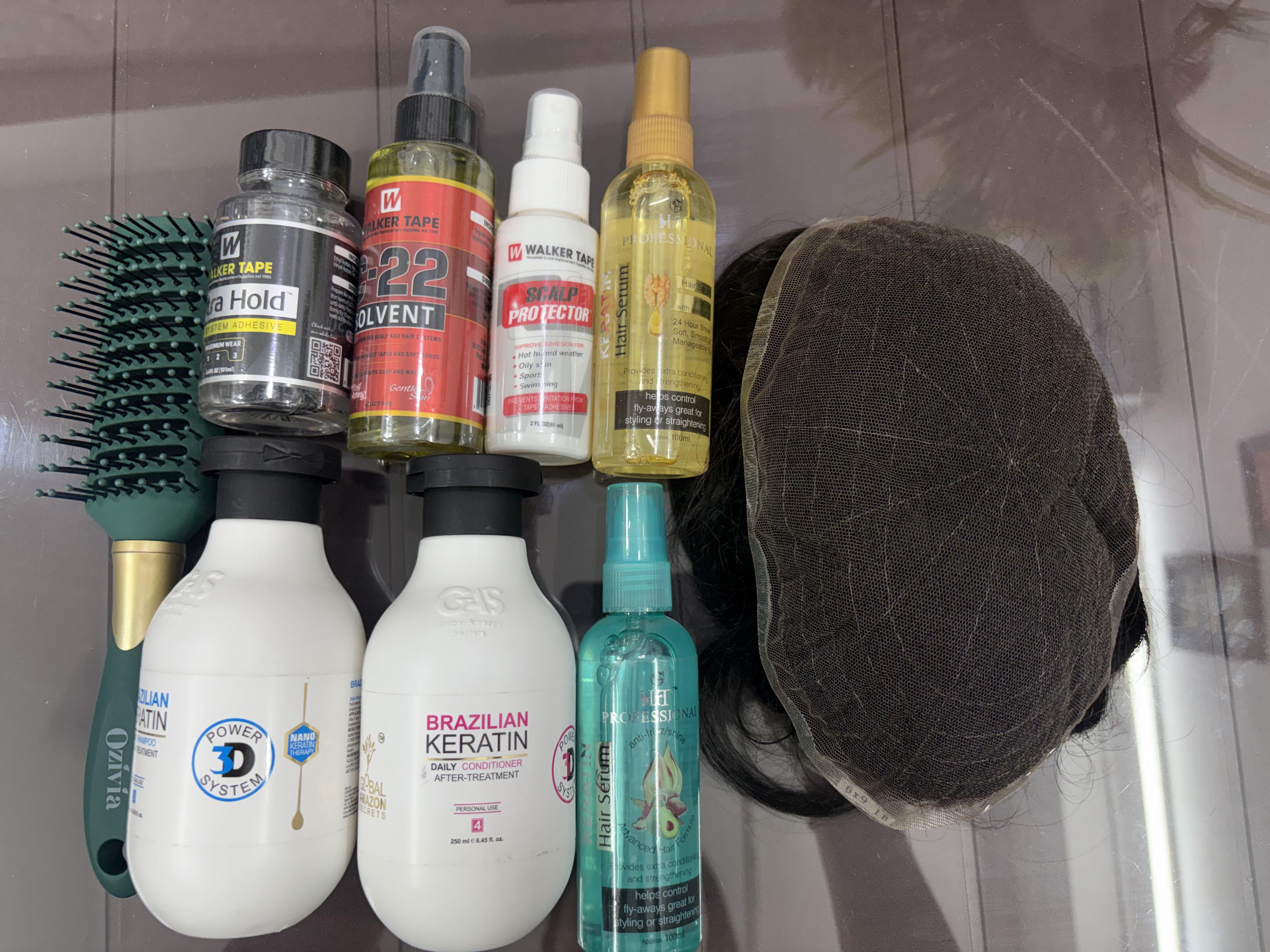
Are you trying to decide between a hair patch and a hair transplant to solve your hair loss? The simple answer is that both options can help, but they suit completely different needs. If you want an instant, pain-free, and guaranteed head of hair without surgery, a hair patch is the best choice. If you prefer a permanent solution using your own growing hair and are willing to undergo surgery, spend more money, and wait months for results, a hair transplant might be suitable.
In this guide, we will compare both methods in detail. We will examine the procedures, costs, recovery times, and results. This will help you make a smart decision for your hair restoration journey. Our goal is to explain everything using simple words so you can choose the path that makes you feel confident and comfortable.
Understanding the Hair Patch Method
A hair patch is a modern, non-surgical hair replacement system. It is custom-designed to cover specific bald areas on your scalp. Stylists create a blueprint of your head, mapping the area where hair is thinning. They then select a base material—usually a breathable lace or an ultra-thin skin membrane—that matches your scalp color.
Once the base is ready, natural human hair is hand-tied to it. The hair is matched to your natural hair color, density, texture, and growth direction. The patch is then fixed securely to your scalp using medical-grade adhesive, skin-safe tape, or specialized clips. The final step is styling, where a professional cuts and blends the patch with your own hair. This is why visiting a premium center for a hair patch in Dwarka is so popular—it gives you a natural, undetectable look in just one session.
What Is a Hair Transplant?
A hair transplant is a surgical procedure. A doctor moves active hair follicles from one part of your body (usually the back or sides of your head, called the donor area) to the bald sections (the recipient area). The two main surgical techniques are Follicular Unit Extraction (FUE) and Follicular Unit Transplantation (FUT).
During FUT, a strip of scalp skin is cut from the donor area, and the follicles are separated under a microscope. During FUE, individual hair follicles are punched out directly from the scalp. The doctor then makes tiny slits in the balding area and inserts the follicles. This procedure is invasive, requires local anesthesia, and leaves tiny scars on your scalp. It is a medical surgery, so it carries risks of infection, scarring, and swelling.
Direct Comparison: Key Differences
To help you understand the practical differences, let us compare the hair patch and hair transplant across several key factors:
1. Speed of Results
A hair patch gives you instant results. You walk into the studio bald or thinning, and you walk out 90 minutes later with a full head of styled hair. There is no waiting time. A hair transplant requires patience. After the surgery, the transplanted hair falls out within a few weeks (called shock shedding). New hair begins to grow slowly, and it takes 8 to 12 months to see the final density and volume.
2. Guaranteed Hair Density
With a hair patch, you can choose any density you want. If you want thick, voluminous hair, the system can be crafted to provide it. With a hair transplant, your results are limited by your donor hair supply. If you have advanced baldness and very little hair on the back of your head, the doctor cannot give you a full, dense look. There is also a risk that the transplanted follicles will not take root and fail to grow.
3. Cost Comparison
The initial cost of a hair patch is highly affordable. You pay for the custom system and a small fee for styling. However, you must budget for regular upkeep, such as professional cleaning and re-fixing every 3 to 4 weeks. A hair transplant has a very high upfront cost, often running into thousands of dollars. While it is a one-time expense, some patients require multiple surgeries if their hair loss continues, which multiply the costs.
4. Pain and Recovery
The hair patch method is 100% painless and safe. Since it is non-surgical, there are no needles, cuts, stitches, or medications. You can resume your normal routine immediately. A hair transplant is a surgery. You will feel pain and discomfort after the anesthesia wears off. Your scalp will be swollen, crusty, and tender for 7 to 10 days. You must take antibiotics, avoid physical activities, and sleep in an elevated position to protect the grafts.
Styling Flexibility and Daily Life
Many patients ask if they can maintain their daily lifestyle with these systems. If you choose a premium non-surgical hair replacement in Dwarka, the answer is yes. Modern hair patches are secured with high-performance adhesives. You can swim, run, shower, and perform intense workouts without worrying about the patch sliding. You can also style, parting, and comb the hair in any direction.
With a hair transplant, once the grafts have fully healed and grown (after a year), it behaves like your natural hair. You can cut, wash, and style it. However, if your natural hair loss continues behind the transplanted area, you may develop a strange pattern of baldness, requiring further treatments or a patch to cover the new bald spots.
Making Your Choice: Which Is Better for You?
To make the final decision, assess your current hair loss stage, budget, and expectations:
Choose a Hair Patch if:
- You want a full head of hair immediately without waiting.
- You want to avoid surgical procedures, needles, pain, and scars.
- You have extensive baldness and a poor donor hair supply.
- You want to choose your exact hair density, color, and style.
- You want a safe, budget-friendly solution with guaranteed results.
Choose a Hair Transplant if:
- You have minor hair thinning or a receding hairline and a strong donor area.
- You are comfortable with surgery, local anesthesia, and recovery downtime.
- You want a permanent solution that grows naturally and does not require monthly maintenance visits.
- You have the budget to afford a high upfront surgical fee.
A Deeper Look at Transplant Types: FUE vs. FUT
To fully understand a transplant, you must know FUE and FUT. FUT is older. The doctor cuts a horizontal strip of skin from your back head. They sew the skin closed, leaving a long line scar. This strip is cut into tiny grafts and placed in the bald areas. It hurts more and takes longer to heal. Many people avoid FUT because they do not want a visible line scar, especially if they like short hair cuts.
FUE is newer. The doctor punches out individual hair units one by one. This leaves hundreds of tiny dot scars instead of a line. FUE is less painful and heals faster (about 7 days). However, it is much more expensive and takes a long time to perform. If you need a lot of hair, the doctor may need to run FUE over two days. If your donor hair supply is poor, neither FUT nor FUE can give you a full head of hair. In contrast, a hair patch does not rely on donor hair, offering a full density look regardless of your baldness stage.
Long-Term Care and Adjustments
When you choose a hair transplant, you must remember that hair loss is progressive. The surgery moves hair to bald spots, but your natural hair behind the transplant will continue to fall out over the years. This can leave you with patches of hair in the front and new baldness behind it. You may need to take daily hair loss medications (which have side effects) or undergo a second surgery. This makes transplants complex and unpredictable in the long run.
With a hair patch, managing changes is simple. If you lose more hair, the base size is simply adjusted during your next fitting. You do not have to worry about progressive balding or taking hormone-altering pills. Your styling and density remain consistent. If you decide to go the non-surgical route, professional fixing is the key to realism. Experts at our studio specialize in secure hair bonding in Dwarka, using skin-safe materials that match your active routine. Regular servicing and professional hair patch maintenance in Dwarka will keep your system looking soft, clean, and completely undetectable.
To learn more about how non-surgical options compare and how to get started, check out our next article: What Is Non-Surgical Hair Replacement? Complete Guide for Beginners.