
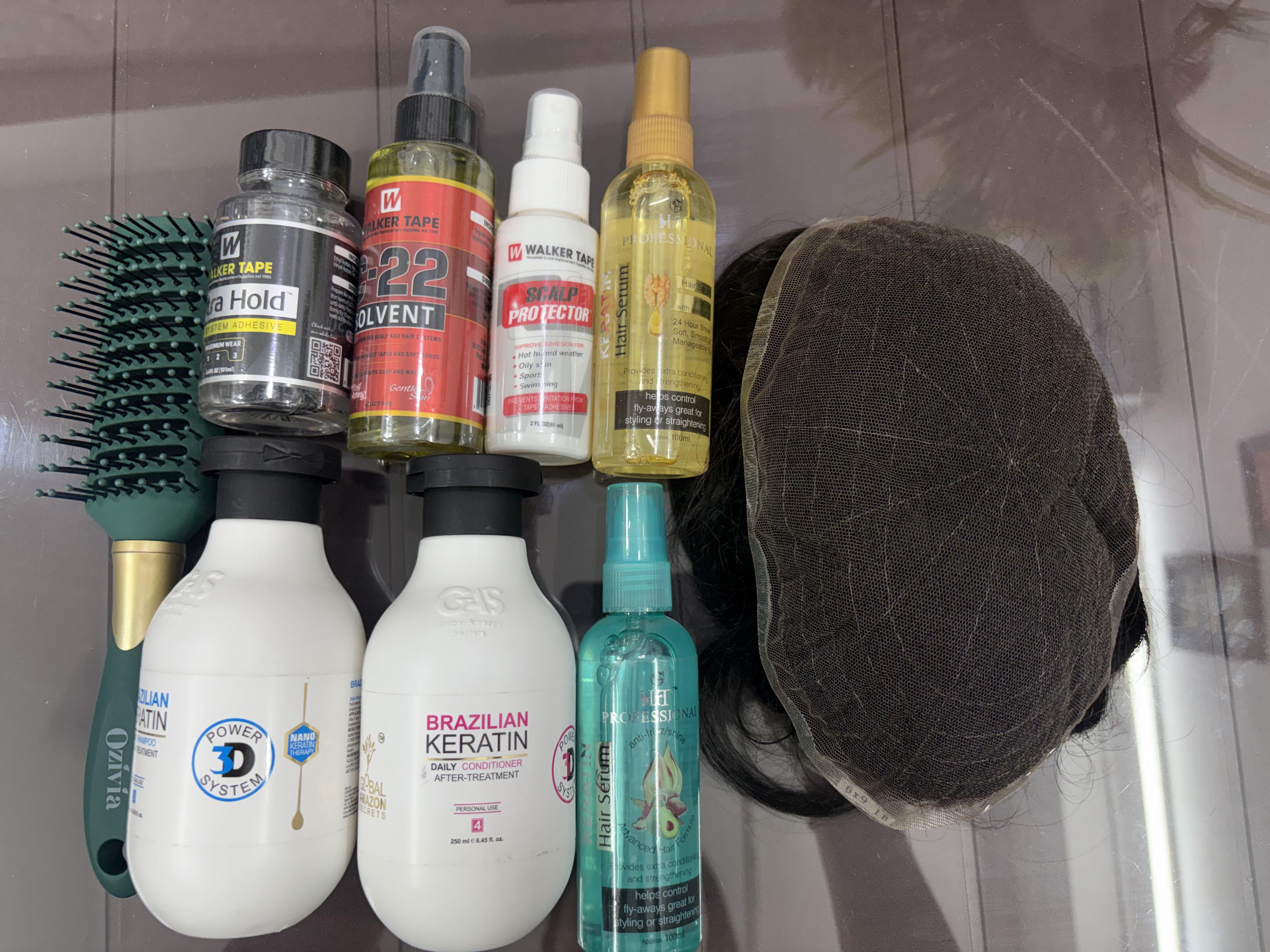
A professionally fitted hair patch is not detectable. When the base material is transparent, the hair is matched to your natural color and texture, and the hairline is custom-designed, the system blends seamlessly with your existing hair. Modern Swiss lace and ultra-thin poly bases are invisible even up close.
The fear that others will notice a hair patch is the number one concern for men considering non-surgical hair replacement. This fear is based on outdated images of obvious, unnatural-looking toupees. Modern hair systems are nothing like those old-fashioned pieces.
Today's hair patches use transparent base materials, real human hair, and custom hairline design techniques that make them completely undetectable. The key factors that determine detectability are base material, hair matching, hairline design, and professional blending.
What Makes a Hair Patch Detectable vs Undetectable
A detectable hair patch typically has one or more of these problems: a thick, opaque base that is visible at the hairline; synthetic hair that has an unnatural plastic shine; incorrect color matching that does not blend with your natural hair; a straight, artificial-looking front edge; or poor blending that leaves a visible transition line.
An undetectable hair patch has: a transparent base that lets your scalp color show through, 100% human hair matched to your exact shade, a custom hairline with natural irregularity, professional cutting done while the system is on your head, and correct density that matches your remaining natural hair.
Base Materials and Visibility
The base material is the most critical factor in detectability. Here is how each type performs:
Swiss Lace: Nearly invisible. The ultra-thin transparent mesh disappears against the scalp. The open weave allows your skin color to show through. This is the gold standard for undetectable hairlines.
Polyurethane (Skin): Very low visibility. The thin, flexible material mimics the look and feel of real skin. It sits completely flush against your scalp. When properly applied, the edge is invisible.
Monofilament: Low visibility. The mesh construction creates the appearance of hair growing from individual pores on your scalp. Under close inspection, it looks like natural hair growth.
Thick/Budget Bases: Higher visibility. Cheaper systems with thicker, opaque bases can be visible at the hairline, especially when the wind blows or during close conversation.
The Role of Hair Matching
Even the best base material will look fake if the hair does not match. Professional studios analyze your hair under multiple lighting conditions to match: exact color (including gray percentage), hair texture (straight, wavy, curly), strand thickness, and density (how many hairs per square centimeter).
Premium systems use 100% Remy human hair that moves, shines, and feels identical to your natural growing hair. Synthetic hair, by contrast, has an unnatural plastic sheen that is easily noticeable in sunlight or under bright indoor lighting.
Custom Hairline Design: The Secret to Invisibility
The front hairline is the most scrutinized area. A straight, uniform hairline looks artificial. Custom hairline design creates a natural irregular pattern with varying density — thinner at the very front, gradually thickening toward the crown. This graduated approach mimics how natural hairlines actually look.
Stylists also consider your age, face shape, and natural growth direction when designing the hairline. A 25-year-old's hairline looks different from a 45-year-old's. The custom approach ensures the system looks age-appropriate and natural.
Can People Tell in Different Situations?
In conversation (3-6 feet): Undetectable with a premium system. No one will notice.
In bright sunlight: Undetectable with real human hair and transparent base. The scalp color shows through naturally.
When sweaty/wet: Undetectable. Premium adhesives are waterproof and the base does not change appearance when wet.
When swimming: Undetectable. The system stays secure and looks natural in water.
When wind blows: Undetectable with proper bonding. The hair moves naturally like your own hair.
What Could Make a Hair Patch Detectable?
The main causes of detectability are: wearing the system beyond its replacement cycle (worn patches look thin and unnatural), poor initial fitting or color matching, skipping maintenance visits (adhesive buildup becomes visible), using low-quality synthetic hair, and choosing a thick, opaque base material.
All of these are preventable. Choosing a reputable studio, selecting premium materials, and following your maintenance schedule ensures your system remains undetectable for its entire lifespan.