
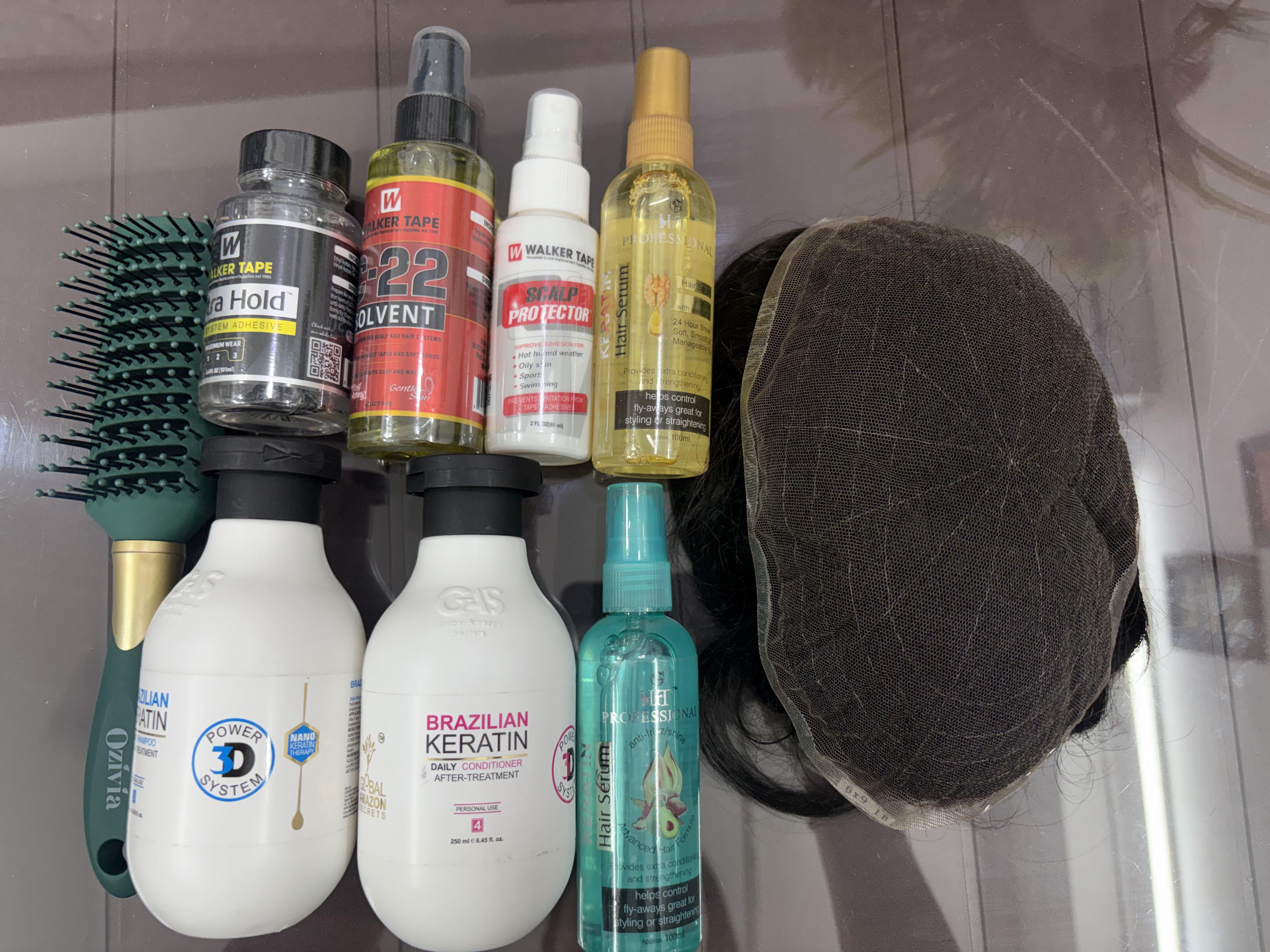
If you are looking to purchase a full head wig, your first major decision is choosing between a human hair wig and a synthetic wig. The simple answer is that human hair wigs are the best choice if you want unmatched realism, a soft texture, natural movement, and complete styling flexibility (including heat styling and coloring). Synthetic wigs are better if you are on a strict budget, want "shake-and-go" convenience with pre-styled hair, and do not mind a shorter lifespan and zero styling changes.
For everyday wear, most people choose human hair wigs because they look completely natural and behave exactly like growing hair. In this guide, we will compare both wig types in detail, examining their pros, cons, durability, and styling needs in simple words to help you choose the best system for your lifestyle.
All About Human Hair Wigs: Pros & Cons
Human hair wigs are made from 100% natural human hair, which is harvested and hand-tied to breathable bases. They are the gold standard in hair systems. Let us look at their benefits and drawbacks:
The Advantages (Pros)
- Unmatched Realism: Because the hair is real, it catches the light naturally, moves naturally, and is soft to the touch. It is virtually impossible for others to notice you are wearing a wig.
- Styling Versatility: You can style human hair wigs just like your own hair. You can use blow-dryers, straighteners, curling irons, and styling creams. You can also dye, highlight, or perm the hair to match your style.
- Long-Lasting Durability: With proper care and regular cleaning, a premium human hair wig can last between 12 to 18 months, making it a valuable long-term investment.
- Comfortable Base: Most premium human hair wigs use custom-designed, breathable lace bases that allow airflow, keeping your scalp cool. This makes visiting a professional studio for a custom hair wig in Dwarka the best choice for everyday comfort.
The Drawbacks (Cons)
- Higher Cost: Real human hair is harvested and hand-tied, which requires skilled craftsmanship. This makes the upfront cost higher than synthetic wigs.
- Styling Effort: Just like natural growing hair, human hair wigs react to weather and humidity. They lose their style after washing, meaning you must dry and style them each time you wash them.
All About Synthetic Wigs: Pros & Cons
Synthetic wigs are made from chemical fibers designed to look like hair. Modern technology has improved synthetic fibers, but they still have limitations:
The Advantages (Pros)
- Style Memory (Shake-and-Go): Synthetic wigs are pre-styled and hold their wave, curl, or straightness even after washing. You simply wash the wig, let it air-dry, and shake it out to restore the original style, requiring no effort.
- Affordable Price: Synthetic fibers are cheap to manufacture, making these wigs highly budget-friendly for temporary use.
- Weather Resistance: Synthetic fibers do not react to humidity, meaning the hair will not frizz or go flat in damp weather.
Heat-Friendly Synthetic Wigs: A Middle Ground?
In recent years, manufacturers have introduced "heat-friendly" or "heat-resistant" synthetic wigs. These are made from modified polymers that can withstand low styling temperatures (up to 280°F or 140°C). This allows you to curl or straighten the synthetic hair with low-temperature styling irons. However, they come with significant drawbacks. Heat-friendly fibers are much heavier and more prone to tangling than standard synthetic hair. They also wear out extremely fast—often frizzing and losing their texture after just 2 to 3 months of styling. For long-term versatility, they still cannot match the natural durability and feel of real human hair.
The Drawbacks (Cons)
- Fake Shine: Many synthetic wigs have an unnatural "plastic" shine, especially under direct sunlight or camera flashes, making them look obvious.
- Zero Styling Flexibility: You cannot use heat styling tools on standard synthetic wigs; the high heat will melt the plastic fibers. You also cannot dye or color synthetic hair because the dye will slide off.
- Short Lifespan: Synthetic fibers wear out quickly from friction. They tend to tangle, frizz, and fray along the neck area, typically lasting only 4 to 6 months with daily wear.
Cleaning and Washing Routines: Human Hair vs. Synthetic
The washing process is different for both types of wigs. To wash a human hair wig, you must use rich, sulfate-free moisturizing shampoos and deep conditioning creams. You soak the wig, rinse it with lukewarm water, apply conditioner from the mid-shaft to the ends, and rinse again. Because the hair is real, it loses its style when wet. After washing, you must detangle it gently with a loop brush, apply styling serum, blow-dry it, and style it with irons to restore its smooth look.
To wash a synthetic wig, the process is simpler but less customizable. You dissolve a spoonful of specialized synthetic wig shampoo in a basin of cool water and soak the wig for 10 minutes. Do not scrub or squeeze. Rinse with cool water, and soak it in a basin of cool water mixed with synthetic fabric softener or wig conditioner. Rinse again, and place it on a wig stand to air-dry. You must never blow-dry or brush a wet synthetic wig, as it will stretch and damage the plastic fibers permanently. Once it dries, the fibers automatically snap back into their pre-set style memory, ready to wear.
Direct Comparison Table
Let us summarize the differences between human hair wigs and synthetic wigs:
| Feature | Human Hair Wig | Synthetic Wig |
|---|---|---|
| Appearance | 100% natural, moves softly, real scalp look. | Can look shiny/stiff, hair lacks natural flow. |
| Styling | Dye, cut, curl, blow-dry, and straighten freely. | Cannot use heat or dye; style is permanent. |
| Lifespan | 12 to 18 months with proper maintenance. | 4 to 6 months (friction causes fraying). |
| Maintenance | Requires washing, conditioning, and styling. | Easy "shake-and-go" care; no styling needed. |
| Upfront Cost | Higher initial investment. | Low initial cost. |
How to Choose: Which Is Best for You?
To make the final choice, consider these three questions:
- How often will you wear the wig? If you need a wig for daily wear to cover long-term hair loss, choose a human hair wig. It is more durable, comfortable, and looks realistic. If you need a wig for temporary use, a synthetic wig is suitable.
- Do you like changing your hairstyle? If you enjoy curling your hair one day and straight-styling it the next, human hair is essential. If you want a simple style that stays the same, synthetic is convenient.
- What is your budget? If you want the best long-term value, human hair is better because it lasts three times longer, saving you money on frequent replacements.
Regardless of your choice, getting a professional fitting is vital to ensure comfort. A custom non-surgical hair replacement in Dwarka at our studio will give you a secure fit and a natural blend. Our senior stylists will trim the hairline and adjust the density to ensure your wig looks completely natural. We also provide professional hair patch maintenance in Dwarka to clean, condition, and care for your human hair systems, preserving their softness and color for months.
To learn about the pros and cons of hair systems versus surgery, read: Hair Patch vs Hair Transplant: Which Is Better for Hair Loss?.
For styling tips and benefits of systems, check out: Top 10 Benefits of Wearing a Hair Patch for Men.