
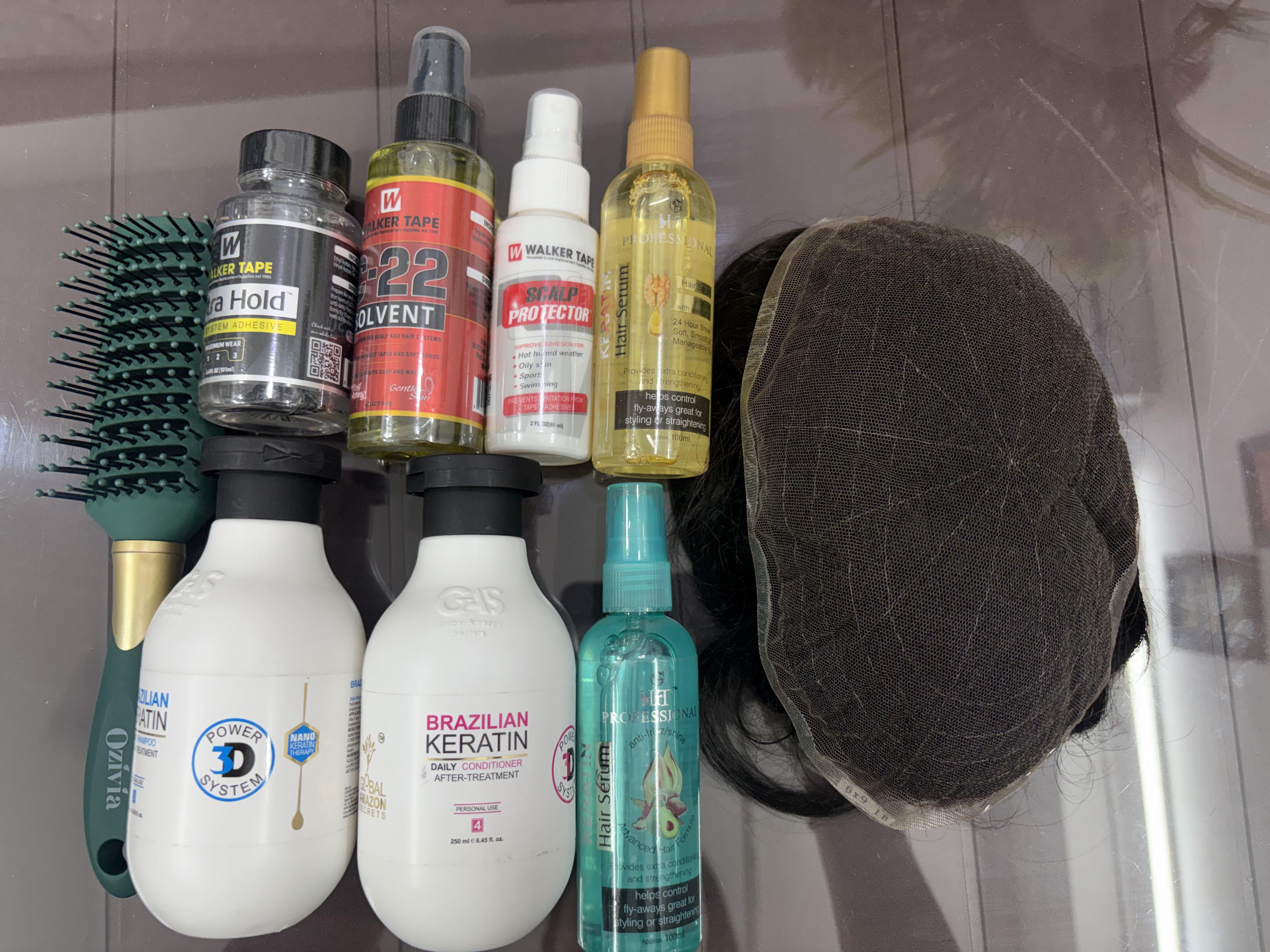
If you are exploring ways to solve your hair loss, safety is probably your top concern. You might ask: are there side effects to wearing a hair patch? The simple answer is no. A premium hair patch has zero physiological side effects because it is a completely non-surgical, external system. Unlike hair loss drugs, it does not alter your hormones, and unlike a transplant, it does not require incisions, cause pain, or leave scars. Any minor issues like scalp itching or redness are completely temporary and easily prevented by using high-quality, hypoallergenic adhesives and protective skin barriers.
Despite being 100% safe, there are many myths surrounding hair patches that scare beginners. You might hear rumors about scalp infections, permanent skin damage, or hair loss. In this article, we will examine the most common myths and explain the reality. We will show you why a modern hair patch is one of the safest and most comfortable hair restoration solutions available today.
Myth 1: Hair Patches Cause Scalp Allergies and Rashes
The Reality: Some people worry that the tapes and liquid adhesives used to secure the patch will cause skin rashes. In the past, some low-grade salons used industrial glues that caused irritation. However, professional studios today exclusively use FDA-approved, medical-grade adhesives and hypoallergenic double-sided tapes. These products are specifically formulated for dermal contact. Before fitting the system, stylists also apply a protective scalp barrier. This barrier shields the skin and blocks sweat, preventing direct contact with the adhesive and keeping your skin healthy.
Myth 2: Wearing a Patch Damages Your Remaining Hair
The Reality: A common fear is that the patch will pull on your remaining natural hair and cause it to fall out. In reality, a hair patch is only placed over the bald area of your scalp. Any thin, growing hair in this specific zone is shaved down during fitting so the adhesive can bond directly to the skin. The healthy growing hair on the sides and back of your head is left completely untouched. The stylist trims and blends this hair with the patch. The attachment points do not pull or stress your active hair follicles, preventing any damage.
Myth 3: Trapped Sweat Causes Fungal Infections and Odor
The Reality: Some think that wearing a patch traps sweat, leading to fungal infections and bad odors. While it is true that sweat accumulates under any system, infections only occur if you neglect scalp hygiene. Modern hair system bases, especially Swiss and French lace, are highly breathable. They allow air to circulate and sweat to evaporate. Furthermore, regular hair patch maintenance in Dwarka every 3 to 4 weeks ensures your scalp is deep-cleaned, exfoliated, and sanitized by experts, preventing any bacterial or fungal build-up.
Myth 4: Bonding Glues Seep Into Your Bloodstream
The Reality: This is a major myth. Some believe that the scalp absorbs the liquid adhesives, allowing chemicals to enter the bloodstream. The human skin has a strong outer layer (the stratum corneum) that acts as a barrier. Medical adhesives only bond to the dead cells on the skin's surface. They cannot penetrate the deeper skin layers or enter your blood vessels. They are as safe as the skin glues used by doctors in hospitals to close wounds instead of stitches.
Biocompatibility and Safety Testing of Adhesives
The adhesives used in professional studios undergo extensive safety testing before they are released for dermal use. They are tested for biocompatibility, ensuring they do not trigger skin mutations or cellular damage. These medical glues are acrylic or silicone-based and do not contain toxic solvents like benzene. They are designed to sit comfortably on the skin without triggering immune reactions. However, if you have extremely sensitive skin or a history of severe contact dermatitis, a professional studio will perform a patch test. They apply a small drop of adhesive behind your ear and wait 24 hours to monitor for any reactions, ensuring 100% safety before fitting the system.
Side Effects Comparison: Hair Patch vs. Hair Loss Medications
To truly understand the safety of a hair patch, compare it to medical treatments. Oral medications like Finasteride work by blocking the hormone DHT in your body. This can lead to serious side effects like loss of libido, depression, and permanent hormonal changes. Topical solutions like Minoxidil can cause scalp itching, burning, unwanted facial hair growth, and rapid heart rates because they widen blood vessels. If you stop taking these drugs, your hair loss returns immediately. A hair patch is a completely external system. It does not affect your internal hormones, heart rate, or mental health. This makes it an ideal option for men who want a safe, drug-free solution with guaranteed density.
Myth 5: The Base Blocks Oxygen Flow, Damaging Your Scalp
The Reality: Some believe that the scalp needs to "breathe" oxygen from the air to remain healthy. Your hair follicles receive oxygen and nutrients from your blood vessels inside the body, not from the external air. The skin on your head does not have lungs. However, for daily comfort, airflow is important. This is why breathable lace bases are designed—they allow fresh air to reach your scalp, keeping you cool and comfortable even during hot summers.
How to Avoid Any Scalp Irritation: Expert Tips
While the hair patch method is incredibly safe, proper care is essential to keep your scalp healthy. Follow these three simple rules:
1. Avoid Cheap, Low-Quality Studios
Cheap salons often use low-grade adhesives and solvents to save money. These products contain harsh chemicals that dry out the skin and cause rashes. Always choose a professional studio that prioritizes scalp health and uses premium, FDA-approved bonding agents. A professional hair bonding in Dwarka ensures your scalp is treated with care and protected from irritation.
2. Maintain a Strict Servicing Schedule
Do not leave your hair patch bonded for longer than 4 to 5 weeks. Over time, the adhesive breaks down, mixing with sweat and oil to form a sticky residue. This residue can irritate the skin, cause itchiness, and create an odor. Regular visits for professional hair patch cleaning in Dwarka will keep your scalp fresh and prevent any skin issues.
3. Never Scratch Your Scalp with Sharp Objects
If your scalp feels itchy under the patch, do not use combs, keys, or fingernails to scratch it. Scratching can cut the skin, creating open wounds that are prone to infection. It can also damage the delicate base mesh. Instead, gently tap or press the itchy area with your fingers to soothe the skin.
Conclusion: A Safe, Reversible Solution
Non-surgical hair replacement is one of the safest ways to restore your hair. It provides an immediate transformation with zero medical risks. If you want a full head of hair without the fear of surgical complications, consider getting a premium non-surgical hair replacement in Dwarka at our studio. We use the highest quality materials to ensure your comfort and scalp health.
To learn about the differences in results and risks between patches and transplants, read: Hair Patch vs Hair Transplant: Which Is Better for Hair Loss?.
For answers to whether a hair patch can slide or fall off, check out: Can a Hair Patch Fall Off? Everything You Need to Know.